

When friends of mine had their first child, Onnen, a few things went through my mind: ‘What a crazy time to be born!’ followed by ‘What type of world are we making for our children?’
I’m not the first to notice how much has changed since I was a teen. Only a little younger than my own children, Onnen will grow up in a fully digitised, thoroughly networked world, one that will leave my pre-internet generation behind.
Onnen’s parents are practical people with real experience in making and growing things, and he’ll likely inherit some of those ancient skills humanity has refined for millennia. But those skills are in danger of being outshone by the gleaming intensity of digitised life. In its superfast churn, the traditional arts are having to cling on, at least in our part of the world.
We’re abundant in computers and satellites, and the democratisation of music production, video, and image editing has given this generation creative powers far beyond what I grew up with. Onnen and my own children may simply tell the computer what kind of music they want and how it should sound. They may not need to manipulate any real-world sound source at all.
Want a guitar solo that sounds like Jimi Hendrix? Speak your desire and the machine will offer several to try. We can already ask a computer to write a story, or make a film that follows whatever narrative we want. And this is just the beginning. In a few years, the rate of new creation may be at a level only imaginable by an artificial intelligence.
On the other side, many old analogue arts (whose back catalogue of classics is mere fodder for AI) will struggle to stay relevant. More of our embodied skills may become like wool spinning or film photography: hobbies and pastimes.
The understanding that comes from humbling oneself to a practical discipline hasn’t vanished, but it may become rarer, especially in the arts. Where once refinement came through hard-won standards, we’re arriving at a moment when we can conjure the most refined arts from thin air.
And yet I can’t be doom and gloom about it. Realising your greatest creative vision by speaking to a computer is an exciting world to live in. And neglecting what’s been automated is part of our modern tradition. Washing machines are amazing, yes? Our grandparents appreciated labour-saving devices in a way we struggle to comprehend. I just hope this new culture will satisfy our children’s souls, empower their creativity, not simply distract them with more powerful delusions.
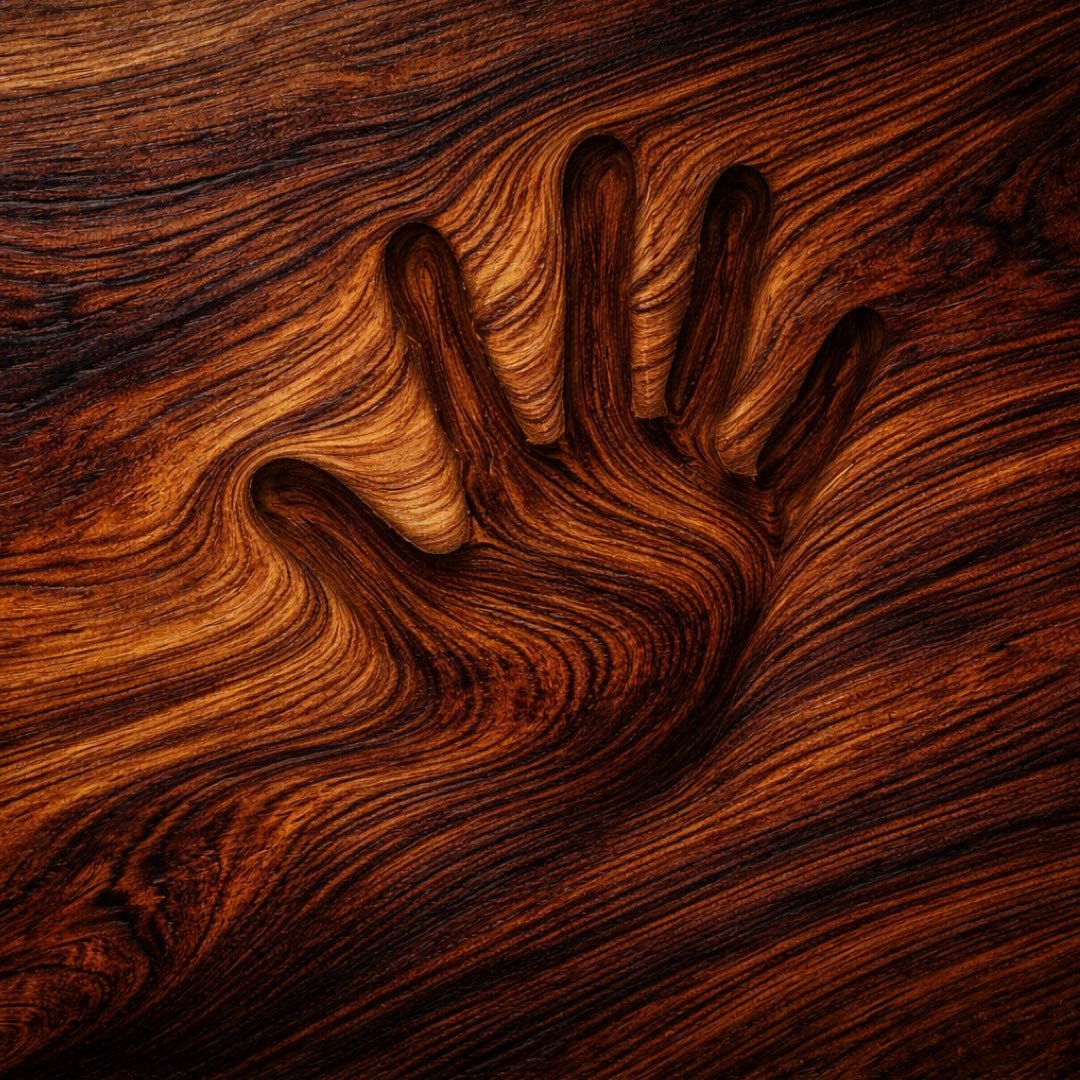
For this coming generation, I hope they’ll know what it is to make something beautiful by hand: to nurture a skill in the body’s memory, to realise it through patience, and to learn, by experience, how to refine and make something elegant and fair.
Wonderful.